When the Philadelphia Phillies began their search for a new manager, speculation quickly turned to high-profile names with proven track records. Among them, Alex Cora emerged as a popular candidate. But despite growing public anticipation and media pressure, Cora declined to interview for the position. This decision wasn't just a procedural brush-off—it carried weight, signaling loyalty, long-term vision, and a quiet confidence in his current role.
The Phillies needed a leader after parting ways with their previous manager amidst a disappointing playoff exit. With a roster stacked with talent—Bryce Harper, Kyle Schwarber, Trea Turner—the need for strategic guidance was urgent. Cora, fresh off revitalizing the Red Sox and steering them toward contention, seemed like a natural fit. Yet he chose not to engage. That choice speaks volumes.
Why Alex Cora Was a Top Candidate
Alex Cora isn’t just any manager. He’s one of the few in recent MLB history to win a World Series in his first year at the helm—2018, with the Red Sox. That victory wasn’t a fluke. It was the product of sharp in-game decisions, strong clubhouse rapport, and a modern approach blending analytics with player intuition.
The Phillies, despite their talent, have struggled with consistency in late-game situations and bullpen management—areas where Cora excels. His reputation for handling star players while maintaining team cohesion made him an ideal theoretical match.
Consider this: - Cora’s Red Sox led the AL in runs scored in 2023 while improving defensively under his watch. - He’s known for managing egos in high-pressure environments—critical in a market like Philadelphia. - His experience with playoff pressure (including deep October runs) aligns with the Phillies’ championship aspirations.
But talent fit doesn’t always translate to real-world interest.
Cora’s Loyalty to Boston Is No Act
Cora’s decision to stay put reflects a deeper truth: he’s invested in the Red Sox rebuild. Unlike short-term managerial mercenaries, Cora is building something long-term in Boston. Since returning in 2021 after a one-year suspension (related to the Astros scandal), he’s worked closely with Chaim Bloom and now Craig Breslow to shape the team’s culture.
He’s developed young players like Triston Casas and Jarren Duran. He’s managed the transition from the aging core of the 2018 team to a younger, more agile roster. And he’s done so while maintaining high media scrutiny and fan expectations in a pressure-cooker environment.
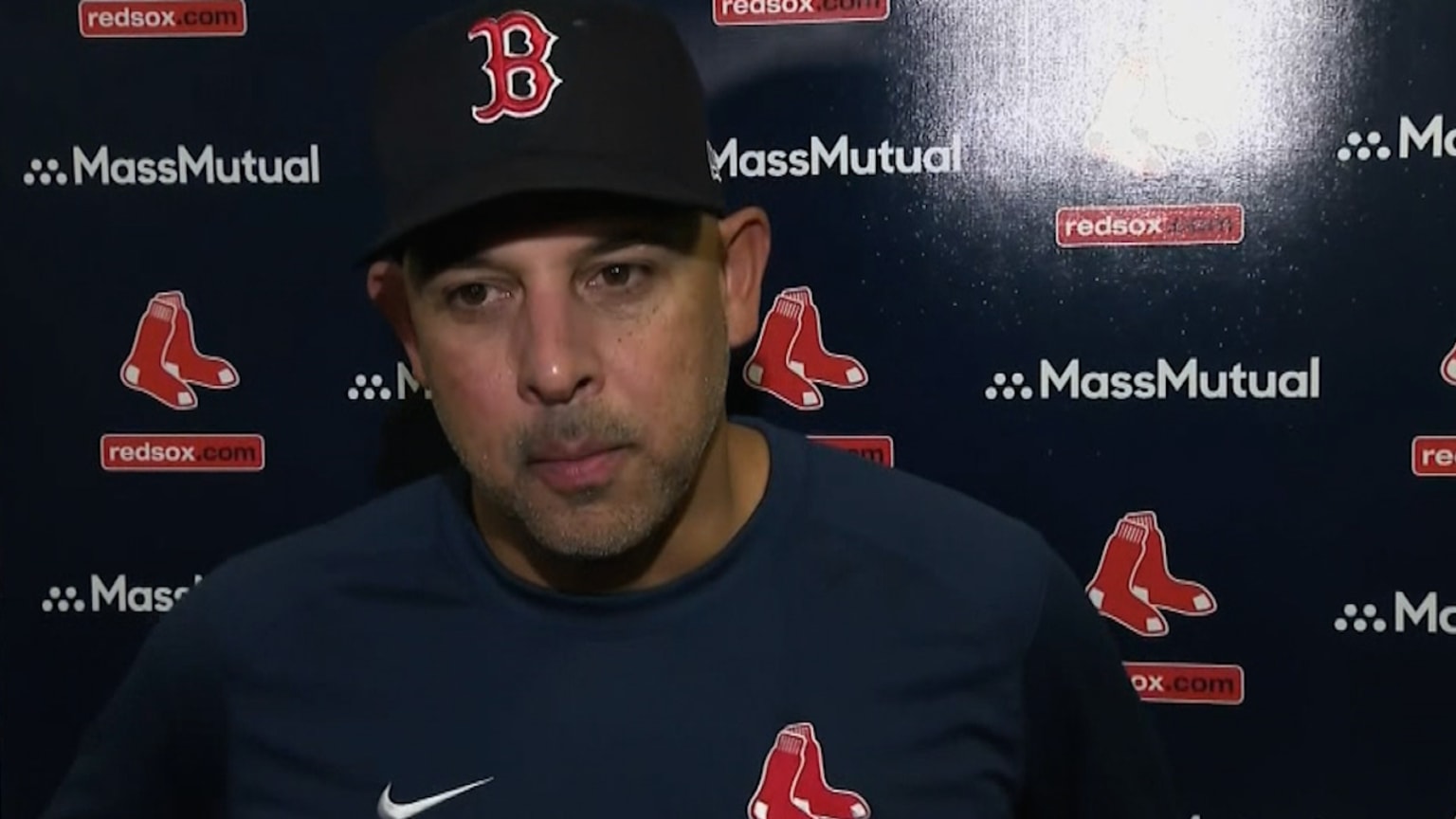
“I’m happy where I’m at,” Cora said in a recent press briefing, deflecting questions about the Phillies’ opening. “We’ve got work to do here. This team is close. I believe in these players.”

That kind of statement isn’t just PR. It’s a strategic stance. Cora knows that if he can guide the Red Sox back to the World Series in the next two years, his legacy will be cemented. Jumping ship now—especially to a team in a similar rebuilding phase—would reset that progress.
The Phillies’ Managerial Dilemma
Philadelphia isn’t just looking for a manager. They’re looking for a catalyst. Their window to win a title with Harper (under contract through 2032) is now. They need someone who can maximize performance in high-leverage games, manage a volatile bullpen, and stabilize a club that has underperformed relative to its payroll.
Cora would’ve been a home-run hire. But his refusal reveals a harsh reality: elite managers aren’t always available when you need them.
- The Phillies now face a tiered decision:
- Go big: Target another proven winner (e.g., Dave Roberts, though unlikely to leave L.A.).
- Go internal: Promote from within—bench coach Bob Geren or bullpen coach Chris Young.
- Gamify it: Hire a respected but less experienced candidate with high upside (e.g., a Joe Espada-type).
Each path has risks. Hiring an unproven manager in a win-now market is dangerous. Waiting for another Cora-level name might delay their timeline. And promoting internally could signal a lack of urgency.
Why Top Managers Stay Put
Cora’s decision fits a broader pattern in professional sports: successful leaders often avoid chasing the "next big thing" unless the opportunity is clearly superior.
Consider these recent examples: - Brent Barry stayed with the Spurs front office despite NBA head coaching interest. - Brian Daboll turned down multiple jobs before accepting the Giants role under the right conditions.
Managers like Cora weigh more than salary. They consider: - Front office alignment - Player development resources - Organizational stability - Market pressure - Relationship with ownership
Boston, despite its media intensity, offers structure. The Red Sox have invested in analytics, player development, and scouting. Craig Breslow, now Chief Baseball Officer, shares Cora’s vision for a modern, flexible roster. That alignment is rare—and valuable.
In contrast, the Phillies’ front office has faced criticism for inconsistent decision-making, particularly in pitching development and trade execution. Cora likely assessed that gap and chose stability over chaos.
What This Means for the Red Sox
Cora’s commitment is a quiet win for Boston. In an era where managers often hop teams every few years, continuity is rare—and powerful.
Stability in the dugout leads to: - Stronger player-coach relationships - Consistent in-game strategy - Better long-term roster planning - Stronger clubhouse culture
The Red Sox are on the cusp of contention. They finished 2023 with an 83–78 record—improved from 2022 and trending upward. Cora’s presence ensures that momentum isn’t disrupted.
Moreover, young players benefit from consistent leadership. Duran, Casas, and pitching prospect Brayan Bello are still maturing. Frequent managerial changes could stunt their growth.
What’s Next for the Phillies?
With Cora out, the Phillies must recalibrate. They’re expected to pursue multiple candidates, including: - Rob Thomson (interim manager, fan favorite, but lacks full-season track record) - Will Venable (former Cubs bench coach, highly rated, young, analytics-savvy) - Joe Espada (Astros bench boss, experienced, nearly got the Astros job) - A.J. Hinch (if available, though likely too expensive) - Mark Kotsay (A’s manager, but his team’s rebuild makes a move unlikely)
Thomson, who led the team to the 2022 World Series, has strong internal support. But the organization may feel pressure to make a bold external hire to signal seriousness.
Hiring Venable or Espada would represent a modern, forward-thinking choice—similar to how the Astros built their culture. But neither carries Cora’s championship pedigree.
The Bigger Picture: Managerial Value in Modern MLB
Cora’s decision highlights a shift in how managerial value is perceived. It’s no longer just about calling the right pitch in the 9th inning. Today’s best managers are culture builders, communication hubs, and strategic partners to front offices.
They must: - Translate complex analytics into actionable feedback for players - Manage media in the social media era - Balance veteran expectations with rookie development - Adapt to injuries and roster churn without losing culture
Cora has mastered this blend. His work with pitcher usage—especially navigating the five-man rotation amid injury waves—has kept the Red Sox competitive even in down years.
The Phillies need that kind of leadership. But they may have to settle for a close second—because the best option wasn’t available.
Lessons for Other Teams and Fans
Cora’s choice offers real lessons: - Loyalty has strategic value. Staying with a team through a rebuild builds trust and long-term success. - Not every "dream job" is the right job. Context matters more than prestige. - Organizational fit beats market size. A manager needs support from ownership and front office—not just a big contract.
For fans, this is a reminder: great managers aren’t just hired. They’re grown, trusted, and retained.
And for the Phillies? They’ll move on. They’ll find someone. But they won’t find another Alex Cora any time soon.
- Five Key Takeaways:
- Alex Cora declined the Phillies job to stay with the Red Sox, valuing continuity and long-term vision.
- His leadership has been key to Boston’s cultural rebuild and player development.
- The Phillies face a challenging decision with limited elite candidates available.
- Managerial success today depends on culture, communication, and front-office alignment—not just tactics.
- Staying put can be a power move—Cora’s commitment strengthens the Red Sox more than any new hire could.
FAQ
What should you look for in Alex Cora Declined to Manage Phillies – Here's Why It Matters? Focus on relevance, practical value, and how well the solution matches real user intent.
Is Alex Cora Declined to Manage Phillies – Here's Why It Matters suitable for beginners? That depends on the workflow, but a clear step-by-step approach usually makes it easier to start.
How do you compare options around Alex Cora Declined to Manage Phillies – Here's Why It Matters? Compare features, trust signals, limitations, pricing, and ease of implementation.
What mistakes should you avoid? Avoid generic choices, weak validation, and decisions based only on marketing claims.
What is the next best step? Shortlist the most relevant options, validate them quickly, and refine from real-world results.